 (602) 894-9450
 appointments@westiwndih.com
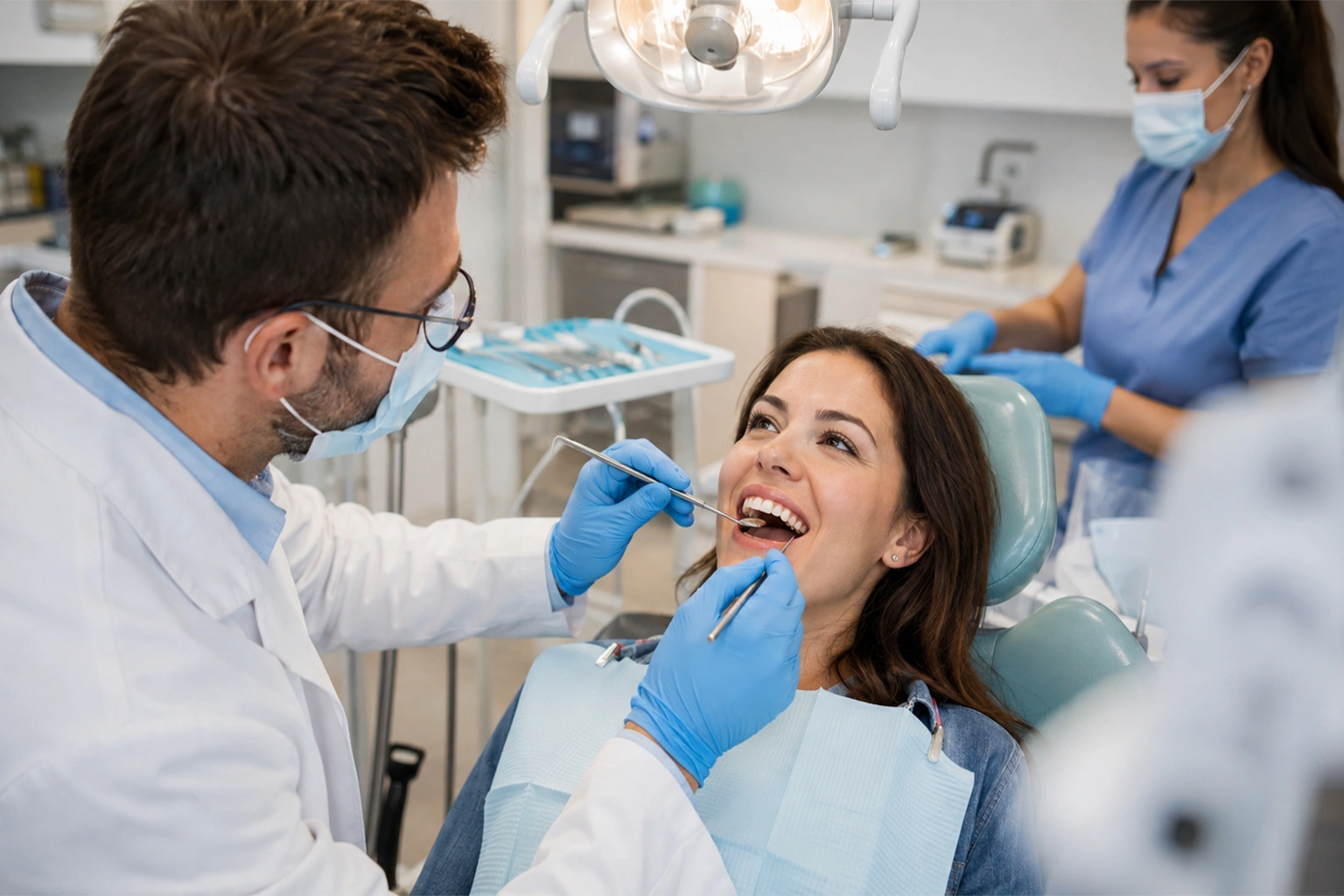
For patients researching veneers in Phoenix, AZ, understanding the materials, treatment process, costs, and long-term care can make the decision feel much easier. Veneers can produce a significant cosmetic change, but they are not the right solution for every tooth or every patient. A thoughtful plan begins with a dental examination and an honest conversation about goals.
This article provides general education and is not a diagnosis or personalized treatment recommendation. A dentist should evaluate the teeth, gums, bite, and overall oral health before recommending veneers or another cosmetic treatment.
What Are Dental Veneers?
Veneers are thin coverings placed over the visible front surfaces of teeth. They are individually shaped and shaded to blend with the lips, facial features, gumline, and surrounding teeth.
Unlike a dental crown, which covers most or all of a tooth, a veneer primarily changes the tooth’s visible surface. Depending on the material and the patient’s needs, the dentist may remove a small amount of enamel to make room for the veneer. Some cases may allow for minimal preparation, but “no-prep” treatment is not appropriate for everyone.
Veneers are most often placed on the teeth that show when a person smiles. Treatment may involve one tooth, several teeth, or a coordinated set across the smile line.
What Cosmetic Concerns Can Veneers Address?
Veneers may be considered for teeth that are healthy enough to support a cosmetic restoration but have visible imperfections. They can help improve the appearance of:
- Deep or uneven discoloration
- Small chips and worn edges
- Mildly irregular tooth shapes
- Small spaces between teeth
- Teeth that appear too short or narrow
- Minor visual misalignment
- Older cosmetic bonding that no longer matches
Veneers do not move teeth in the way orthodontic treatment does, and they do not treat decay, gum disease, or an infected tooth. If an underlying health issue is present, the dentist will generally address it before beginning cosmetic care.
Porcelain and Composite Veneers
Porcelain veneers
Porcelain veneers are custom restorations commonly produced by a dental laboratory. Dental ceramic can imitate the way natural enamel reflects light, allowing the dentist and laboratory technician to create realistic color and translucency.
Porcelain is often selected for a larger smile enhancement because it offers stable color and a polished appearance. Placing it commonly requires at least two appointments: one to prepare and scan or impress the teeth, and another to bond the finished veneers.
Composite veneers
Composite veneers use tooth-colored resin similar to the material used for dental bonding. The dentist applies and shapes the material directly on the tooth in many cases.
Composite may require less tooth alteration and often has a lower initial cost. It can also be easier to repair if a small area chips. However, composite typically picks up surface stain and wear more readily than porcelain. The most suitable material depends on the bite, cosmetic goals, number of teeth involved, budget, and willingness to maintain the restorations.
Who May Be a Good Candidate?
A good veneer candidate generally has healthy teeth and gums, enough sound enamel for reliable bonding, and realistic expectations about the outcome. A patient also needs to be comfortable maintaining excellent oral hygiene and attending routine dental visits.
A dentist may recommend treating other concerns first when an examination finds:
- Active tooth decay
- Gum inflammation or periodontal disease
- Significant enamel loss
- Large existing fillings or structural damage
- An unstable bite
- Untreated teeth grinding or clenching
- Severe crowding or misalignment
These findings do not automatically rule out cosmetic improvement. They may simply change the safest order of treatment. For example, orthodontics may create a more conservative result for crowded teeth, while a crown may better protect a tooth with extensive damage.
Preserving enamel matters because veneers bond most predictably to healthy enamel. Clinical literature also identifies fractures and debonding among possible complications and notes that grinding or unfavorable bite forces can increase the risk of fracture. A dentist may therefore check how the teeth meet and recommend a protective nightguard when appropriate.
What Happens During the Veneer Process?
1. Consultation and examination
The first visit focuses on oral health and cosmetic goals. The dentist examines the teeth, gums, existing dental work, and bite. Dental images or X-rays may be recommended when clinically necessary.
This is a good time for the patient to explain what feels bothersome without trying to prescribe the solution. Statements such as “this tooth looks shorter” or “the color feels uneven” give the dental team useful direction.
2. Smile planning
The dentist helps select the number, shape, proportions, and shade of the veneers. Photographs, digital scans, models, or a preview may be used to plan the result. A natural smile does not always mean choosing the brightest possible shade. Subtle variations in shape and translucency can help the finished teeth fit the patient’s face and age.
3. Tooth preparation
If preparation is needed, the dentist removes a controlled amount of enamel from the front surface. Local anesthetic may be available to support comfort. Impressions or digital scans are then used to create the custom restorations.
Temporary veneers may be placed while laboratory-made veneers are being completed. Temporaries provide a preview, although they may not have the exact polish or strength of the final ceramic.
4. Try-in and bonding
At the placement visit, the dentist checks each veneer’s fit, shade, shape, and relationship with nearby teeth. The teeth are cleaned and conditioned before the veneers are secured with dental bonding materials. The dentist then removes excess cement, polishes the edges, and verifies the bite.
Are Veneers Comfortable?
Dentists can use local anesthetic during tooth preparation when needed. Patients who feel nervous should mention it before treatment so the team can explain each step, arrange breaks, and discuss appropriate comfort options.
Some people notice temporary tooth or gum sensitivity after preparation or bonding. The gums may also feel mildly tender while adjusting to the new contours. Persistent pain, a bite that feels uneven, increasing swelling, or a loose veneer should be reported to the dental office rather than managed without professional guidance.
Veneers do not involve osseointegration, the bone-healing process associated with dental implants. Once the final veneers are bonded and the dentist confirms the fit and bite, the restorative treatment is generally complete, although routine follow-up and preventive care remain important.
How Long Do Veneers Last?
Veneers are durable restorations, but they are not permanent or indestructible. Their service life varies according to the material, bonding conditions, amount of preserved enamel, bite forces, home care, diet, and habits such as grinding or biting hard objects.
Research on porcelain laminate veneers reports strong clinical survival overall, while also documenting possible complications such as fracture, chipping, cracking, debonding, color mismatch, sensitivity, decay, and gum-related problems. Individual outcomes cannot be guaranteed, and a veneer may eventually need repair or replacement.
Because enamel removal cannot be reversed, prepared teeth will generally continue to need a veneer or another restoration. Patients should consider that long-term commitment before proceeding.
How to Care for Veneers
Veneers do not require a complicated routine. They do require the same consistent preventive care as natural teeth because the underlying tooth and the gumline remain vulnerable to plaque and decay.
- Brush twice daily with a soft-bristled toothbrush and non-abrasive fluoride toothpaste.
- Clean between the teeth every day with floss or another recommended tool.
- Attend regular examinations and professional cleanings.
- Avoid using veneered teeth to open packages or bite fingernails.
- Use caution with ice, hard candy, and other objects that can chip dental restorations.
- Wear a dentist-recommended nightguard if clenching or grinding is a concern.
- Wear an athletic mouthguard during contact sports.
Porcelain itself cannot develop a cavity, but the natural tooth around its edges can. Daily plaque removal and preventive visits help protect both the veneer and the tooth supporting it.
How Much Do Veneers Cost in Phoenix?
The cost of veneers in Phoenix varies from one treatment plan to another. Important factors include the material, number of teeth, complexity of the case, laboratory work, diagnostic records, and whether the patient needs treatment for decay, gum disease, or bite concerns first.
Dental insurance often treats veneers as elective cosmetic care, so coverage may be limited or unavailable. Benefits differ, however, and patients should request a written estimate and ask their insurer about exclusions. A dental office may also offer payment arrangements or financing options.
The lowest initial fee does not always represent the best value. Patients should ask what the estimate includes, which material will be used, how temporaries and follow-up visits are handled, and what happens if a restoration needs adjustment.
Alternatives Worth Discussing
A comprehensive cosmetic consultation should include alternatives rather than automatically leading to veneers. Depending on the concern, options may include:
- Professional whitening for otherwise healthy teeth with generalized discoloration
- Dental bonding for smaller chips, spaces, or shape changes
- Orthodontic treatment to move crowded, rotated, or spaced teeth
- Enamel contouring for very minor shape irregularities
- Dental crowns for teeth that need more structural coverage
Sometimes a combination provides the most conservative result. Whitening before selecting a veneer shade, for example, may reduce the number of teeth that need restoration.
Frequently Asked Questions About Veneers
Do veneers look like natural teeth?
Well-planned veneers can closely resemble enamel. Natural-looking results depend on appropriate shape, surface texture, translucency, shade, and symmetry—not simply making every tooth perfectly white and identical.
Do veneers damage teeth?
Veneer preparation may require permanent removal of some enamel. Conservative planning aims to preserve as much healthy tooth structure as possible, but the procedure should not be described as reversible when enamel is removed.
Can veneers become stained?
Porcelain resists many surface stains better than composite resin, although the natural teeth and bonding margins can still change in appearance. Composite materials may stain more readily over time. Regular cleanings and sensible habits help maintain the overall smile.
Can someone with teeth grinding get veneers?
Possibly, but grinding raises the risk of chipping or fracture. The dentist should evaluate the bite and the severity of the habit first. Treatment for grinding and a custom nightguard may be recommended.
Can a cavity form under a veneer?
Yes. A veneer covers only part of the tooth, and decay can develop near its margins or on an uncovered surface. Brushing, interdental cleaning, fluoride exposure, and regular dental examinations remain essential.
How many veneers does a patient need?
There is no standard number. The plan depends on which teeth show during smiling, the condition of neighboring teeth, symmetry, and the desired change. Some patients need one veneer, while others consider several for a coordinated result.
Explore Cosmetic Options With a Phoenix Dentist
The best veneer treatment should look attractive, feel comfortable, and respect long-term oral health. That requires more than choosing a shade from a chart. It requires careful evaluation of the teeth, gums, bite, facial features, and the patient’s priorities.
Westwind Integrated Health provides comprehensive dental care with a preventive, whole-health focus across Phoenix, AZ. Patients interested in veneers or other cosmetic options can contact the team to schedule a consultation, ask questions, and learn which approach may best fit their smile and oral health.