 (602) 894-9450
 appointments@westiwndih.com

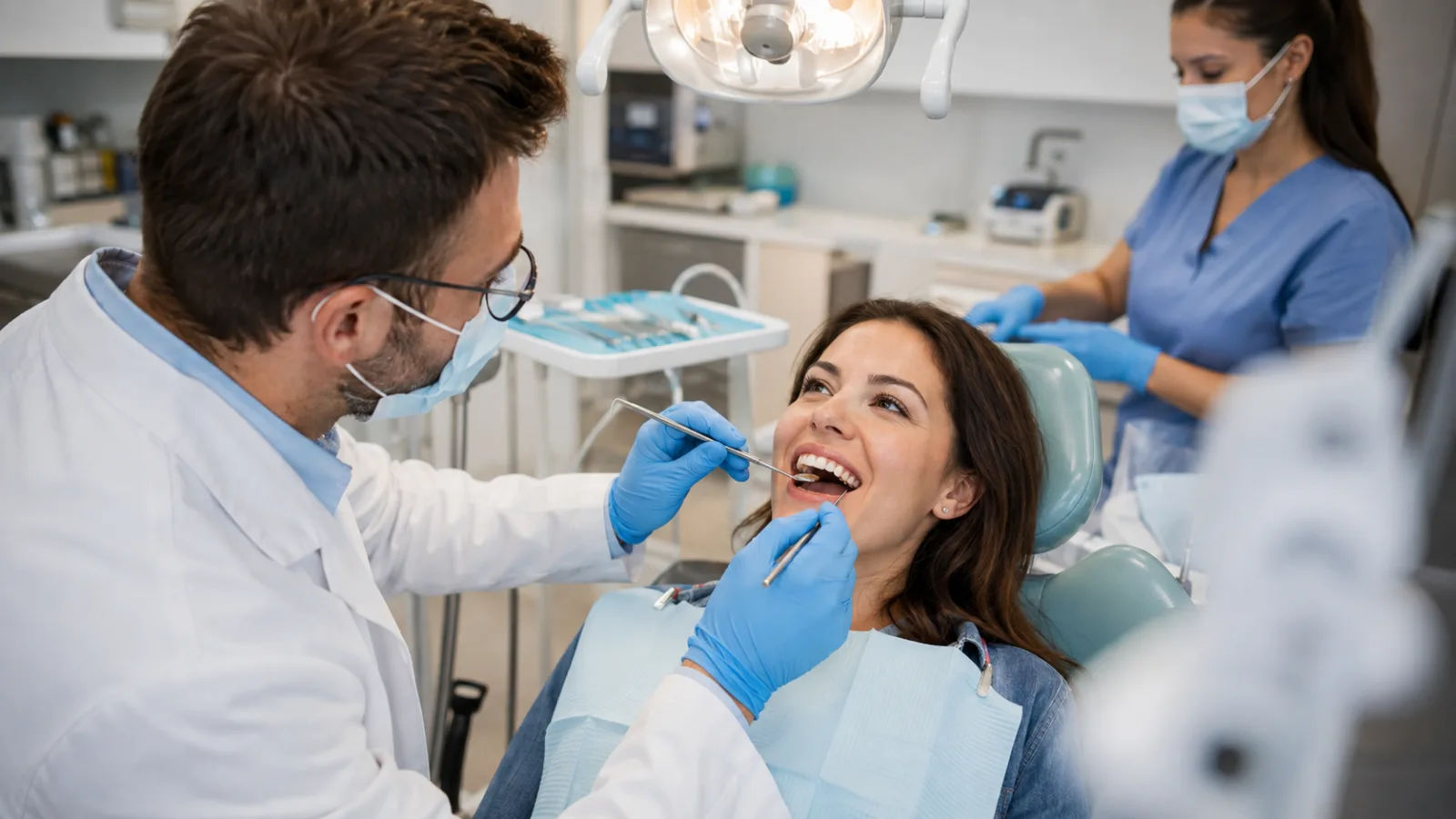
For someone who has lost most or all of their teeth, replacing them can affect much more than appearance. The right restoration may also make everyday activities—such as speaking, smiling, and eating—feel more comfortable and natural.
Traditional dentures remain useful for many patients, but some people want an option with greater stability. Implant dentures attach to dental implants placed in the jaw rather than resting only on the gums. Depending on the design, the denture may be removable by the patient or secured in place by a dental professional.
Choosing implant dentures in Phoenix, AZ, requires an individual evaluation. Oral health, bone support, medical history, personal preferences, and budget can all influence the recommendation. This guide explains the basics so patients can approach a consultation with informed questions and realistic expectations.
This article provides general education and is not a diagnosis or treatment recommendation. A qualified dental professional should evaluate whether implant dentures are appropriate for an individual patient.
What Are Implant Dentures?
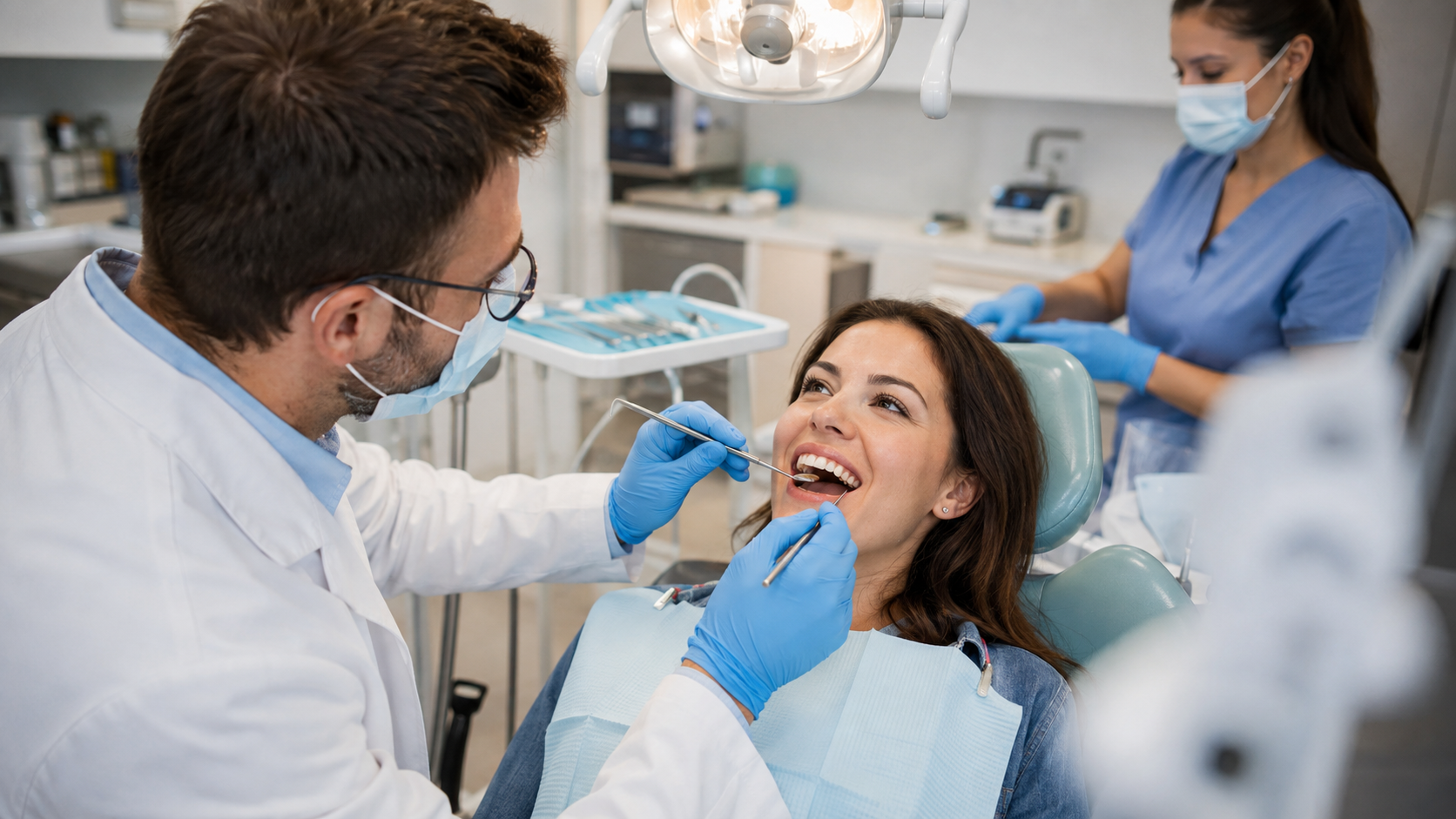
Implant dentures are replacement teeth supported by dental implants. An implant is placed in the jaw and is designed to act as an anchoring point for a dental restoration. A denture can then connect to several strategically positioned implants.
This arrangement differs from a traditional removable denture, which typically relies on its fit over the gums, natural suction, and sometimes denture adhesive. Implant support may reduce movement, but the experience varies according to the restoration, anatomy, number and location of implants, and overall treatment plan.
Patients may encounter several names while researching treatment, including implant-supported dentures, snap-in dentures, overdentures, full-arch implants, and fixed implant bridges. These terms are sometimes used interchangeably in advertising, but they do not always describe the same restoration. Asking exactly what can be removed, who can remove it, and how it must be cleaned helps prevent confusion.
Removable and Fixed Implant Dentures
Removable implant dentures
A removable implant denture attaches to implants through special connectors. The patient can take it out for cleaning, usually by gently releasing it from the attachments. People often call this a “snap-in” denture.
This design may appeal to someone who values easier access for daily cleaning. However, the connectors and denture still require routine maintenance. They can wear over time, and the dentist may periodically need to adjust or replace certain components.
Fixed full-arch restorations
A fixed full-arch restoration remains attached to the implants during daily life. A dental professional removes it when necessary rather than the patient taking it out each night. It still requires careful cleaning around and beneath the restoration.
“Fixed” does not mean maintenance-free or guaranteed to last forever. The implants, gums, supporting bone, and replacement teeth all need professional monitoring. The most suitable option depends on clinical findings as well as the patient’s dexterity, cleaning habits, expectations, and financial priorities.
Why Patients Consider Implant-Supported Teeth
Many patients begin exploring implant dentures because a traditional denture feels loose or because they want to avoid relying heavily on adhesive. Others are preparing to replace failing teeth and want to understand their full-arch options.
Potential reasons for considering treatment include:
- A desire for improved denture stability
- Difficulty managing movement while speaking or chewing
- Interest in a removable restoration that connects to implants
- Preference for a fixed full-arch design
- A wish to replace several missing or non-restorable teeth within one coordinated plan
Results and comfort cannot be predicted from a website or photograph. A dentist must identify what is causing the current difficulty and determine whether implant treatment is a reasonable way to address it.
Who May Be a Candidate?
Candidacy involves more than counting missing teeth. The dental team reviews the mouth, jaw anatomy, gum condition, health history, medications, previous dental treatment, and ability to maintain the restoration.
Some patients are ready to move forward without extensive preparatory care. Others may need treatment for existing oral conditions or procedures intended to create a more suitable foundation. A recommendation for additional care does not automatically rule out implants; it may simply mean that the treatment sequence needs to be adjusted.
Patients should provide a complete medication and health history, including information about tobacco or nicotine use and previous medications that may affect bone. No medication should be stopped or changed without guidance from the prescribing clinician.
What Happens During the Treatment Process?
1. Consultation and planning
The process begins with a discussion about concerns, goals, and previous denture experiences. The dental team examines the mouth and may collect photographs, digital scans, impressions, and dental imaging. This information helps determine implant positions and restoration choices.
This is also the time to clarify whether the proposed teeth will be removable or fixed, whether preparatory procedures are expected, and what the written estimate includes.
2. Preparatory care, when needed
The dentist may recommend addressing unhealthy teeth, gum concerns, or inadequate supporting anatomy before or during implant placement. Not every patient requires the same preparation. The sequence should be based on examination findings rather than a standard package.
3. Implant placement and temporary teeth
Implants are placed according to the planned positions. Temporary replacement teeth may be available in some cases, but immediate placement of a temporary restoration is not appropriate for every person. Patients should ask what they will wear while the implants heal and whether there will be dietary or cleaning restrictions.
4. Healing and osseointegration
Healing is not a single event. It helps to separate the process into distinct phases:
- Early symptom recovery: Tenderness, swelling, and day-to-day comfort are monitored after the procedure. Patients should follow their own clinician’s instructions and report symptoms that are severe, worsening, or unexpected.
- Soft-tissue healing: The gums continue healing around the treated area after initial discomfort improves. Follow-up visits allow the team to evaluate the tissue and hygiene.
- Osseointegration: This is the biological process through which an implant becomes integrated with supporting bone. Implant stability and healing can be affected by patient and treatment factors, so readiness cannot be determined by a calendar alone. Research on implant surfaces also emphasizes the need to consider patient demographics, surgical technique, and postoperative care when evaluating real-world healing (review the research).
- Final restoration: The definitive denture or bridge is completed only when the dental team determines that the mouth and implants are ready under the chosen treatment protocol.
These phases should not be treated as interchangeable. Feeling better soon after surgery does not necessarily mean that soft tissue or bone integration is complete.
5. Final teeth and follow-up care
Once the appropriate healing and restorative steps are complete, the team fits the final teeth and checks appearance, bite, speech, comfort, and cleaning access. Follow-up appointments provide opportunities to address fit concerns and monitor the tissues around the implants.
Comfort and Dental Anxiety
It is normal to feel nervous about implant treatment. A helpful consultation should include a straightforward discussion of how discomfort is managed before, during, and after each stage.
Comfort options depend on the procedure, health history, and services available at the practice. Patients should ask whether they will need a driver, how to prepare for the appointment, and which instructions apply to food and medication. Anyone with significant anxiety should mention it early so the team can plan appropriately rather than trying to manage fear on the day of treatment.
How to Care for Implant Dentures
Replacement teeth still require daily care. Plaque and food debris can collect around implants, attachments, and beneath a full-arch restoration. The recommended tools depend on the design and may include a soft toothbrush, floss threader, interdental brush, or another device selected by the dental team.
A removable implant denture should be taken out and cleaned according to professional instructions. A fixed restoration requires cleaning beneath areas that an ordinary toothbrush may not reach. Abrasive products or improvised tools can damage restorative materials, so patients should ask for a demonstration.
Routine dental visits remain important even when no natural teeth remain. The team can examine the gums and implant area, evaluate the bite and attachments, and professionally clean places that are difficult to reach at home.
How Much Do Implant Dentures Cost in Phoenix?
There is no single price that applies to every Phoenix patient. Cost varies according to the type of restoration, number of implants, diagnostic records, laboratory work, preparatory treatment, materials, sedation choices, and follow-up needs.
Advertisements may show a starting price that excludes important parts of care. Before comparing estimates, patients should request a written treatment plan and ask whether it includes imaging, extractions, temporary teeth, implant components, the final restoration, and follow-up appointments.
Dental insurance coverage also varies. The practice can help explain estimated benefits, but the insurance company makes the final coverage decision. Financing or payment options may be available depending on the office and the patient’s eligibility.
Questions to Ask at an Implant Denture Consultation
- Is the recommended restoration removable or fixed?
- Why is this design appropriate for the patient’s needs?
- What records or imaging are required?
- Is preparatory treatment expected?
- What will the patient wear during healing?
- How will comfort and anxiety be managed?
- What does the written fee include and exclude?
- How should the restoration be cleaned?
- What ongoing maintenance may be necessary?
- Which symptoms should prompt a call to the office?
Frequently Asked Questions
Are implant dentures the same as traditional dentures?
No. Traditional dentures rest primarily on the gums, while implant dentures connect to implants. Both can replace a full arch of teeth, but their stability, cleaning needs, maintenance, and treatment process differ.
Can implant dentures be removed?
Some can and some cannot. A snap-in denture is designed for the patient to remove, while a fixed full-arch restoration is normally removed only by a dental professional. The treatment plan should state the design clearly.
Can a patient receive teeth on the day implants are placed?
A temporary restoration may be possible in selected situations, but it is not guaranteed. The decision depends on the treatment plan and clinical findings. Temporary teeth are also not the same as the completed final restoration.
Do implant dentures require special cleaning?
Yes. The exact routine depends on whether the restoration is fixed or removable. A dental professional can recommend tools and demonstrate how to clean around the implant connections and beneath the replacement teeth.
How long does the entire process take?
The schedule varies because planning, early recovery, gum healing, osseointegration, and fabrication of the final restoration are separate stages. Preparatory care can also affect the overall sequence. A personalized plan is more useful than a general online timeline.
Are implant dentures right for everyone?
No single tooth-replacement method is best for every patient. A dentist must review oral conditions, supporting anatomy, health history, maintenance needs, expectations, and alternatives before making a recommendation.
Explore Implant Dentures With a Phoenix Dental Team
Implant dentures can offer a different approach to replacing a complete arch of teeth, but choosing between removable and fixed designs requires careful planning. Patients benefit from understanding each stage, asking what is included, and discussing both short-term recovery and long-term maintenance.
Westwind Dental provides implant and full-arch care in Phoenix, AZ. Patients who want to explore their options can contact the Westwind Phoenix office to request a consultation, share their concerns, and receive recommendations based on an individual evaluation.