 (602) 894-9450
 appointments@westiwndih.com
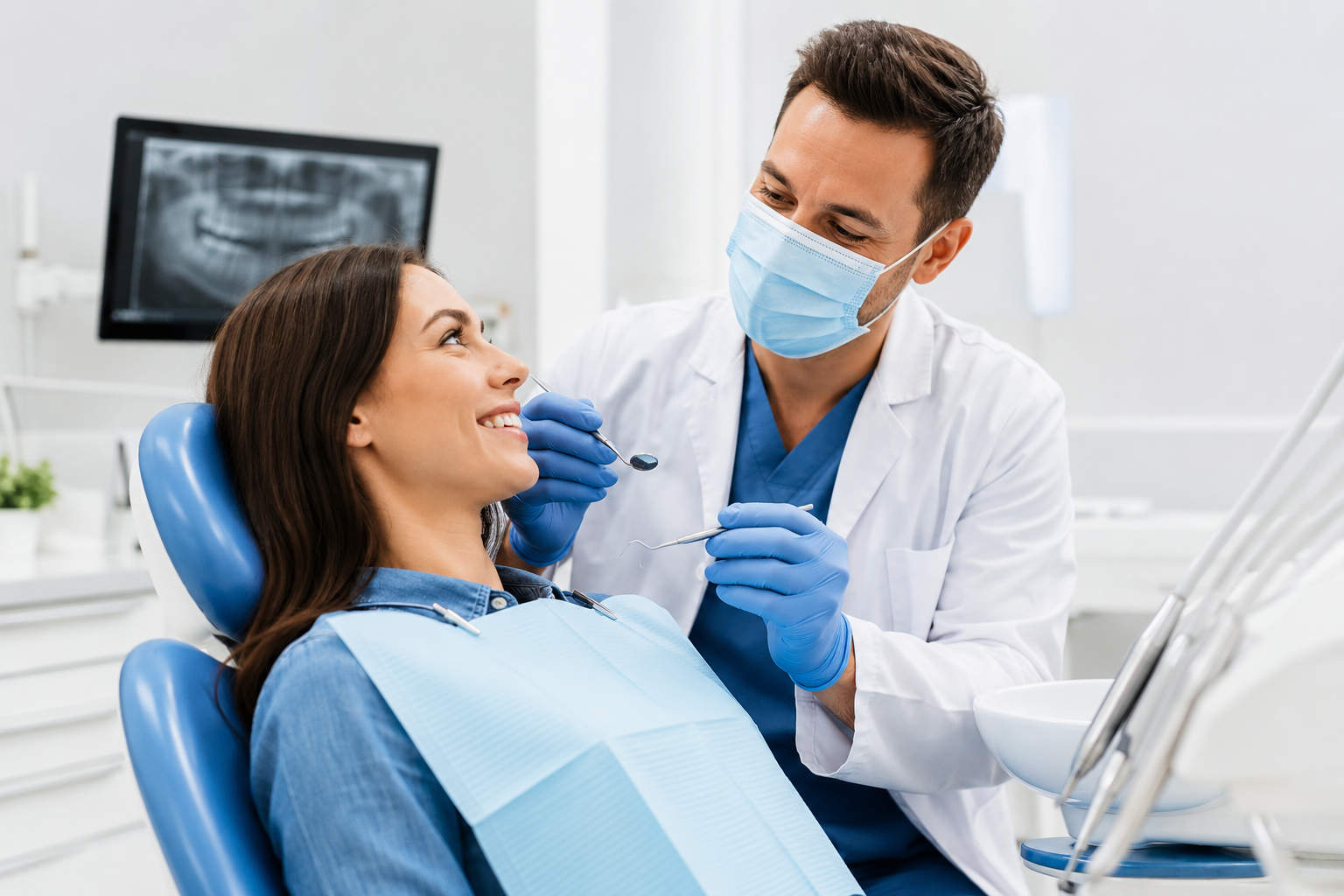
Looking for a family dentist in Phoenix, AZ brings practical choices: a local practice can care for kids, adults, and seniors with preventive checkups, modern comfort options, and restorative treatments all under one roof. You’ll find convenient scheduling, insurance support, and emergency care so dental needs don’t disrupt family life.
They explain what to expect at your first visit, how preventive care changes by age, and which modern techniques reduce anxiety and speed recovery. Expect clear guidance on cosmetic and restorative options, pediatric needs, and steps to keep smiles healthy year-round.
What to Expect at Your First Visit
Patients will meet the team, get a focused oral exam, and leave with a clear, personalized plan for care. The visit balances comfort, screening, and practical next steps so families know exactly what comes next.
Welcoming New Patients
The front-desk staff checks insurance, verifies contact information, and provides new-patient forms — these often include medical history, current medications, and any dental concerns. Patients can fill forms online before arrival or complete them on a tablet in the office to speed check-in.
A dental assistant escorts patients to a treatment room and reviews the visit’s goals: routine cleaning, exam, X-rays, or urgent care. The team explains office policies on payment, scheduling, and privacy so there are no surprises.
Staff introduce the dentist and hygienist, describe what each will do, and answer questions about comfort options like nitrous oxide or topical anesthetic. Children receive extra attention to build trust; adults get clear expectations about timing and next steps.
Comprehensive Oral Exam
The dentist performs a visual exam of teeth, gums, tongue, cheeks, and bite to screen for decay, gum disease, oral lesions, and alignment issues. They use intraoral cameras and mirrors to show findings on a monitor, so patients see what the dentist sees.
Digital X-rays or a panoramic radiograph are taken when needed; these reveal decay between teeth, bone levels, and impacted teeth not visible to the eye. The dentist explains radiation exposure and uses lead aprons and modern low-dose sensors.
Periodontal probing measures gum pocket depths to detect early gum disease, and a charted exam documents missing teeth, restorations, and wear patterns. The hygienist assesses oral hygiene techniques and demonstrates brushing and flossing tips tailored to the patient’s needs.
Personalized Treatment Planning
After the exam, the dentist reviews findings and prioritizes treatments by urgency: immediate pain or infection first, then restorative and preventive care. They provide a written treatment plan with procedure descriptions, timelines, and cost estimates.
Options are discussed clearly, including alternatives like composite fillings versus crowns, and the role of preventive services such as sealants or fluoride. The team outlines financing choices, in-house plans, and insurance estimates so families can choose a workable approach.
The patient leaves with a scheduled appointment for next steps, home-care instructions, and contact information for questions. The dentist encourages calls or secure messages for follow-up concerns and invites patients to discuss any preferences or anxieties before procedures.
Preventive Dental Care for Every Age
Preventive care reduces cavities, gum disease, and costly treatments by using regular checkups, protective coatings, and topical fluoride. These steps adapt across life stages to protect baby teeth, growing mouths, and adult restorations while prioritizing comfort and minimally invasive approaches.
Routine Cleanings and Exams
Routine cleanings remove plaque and tartar that brushing misses, lowering the risk of cavities and periodontal disease. For most patients, a professional cleaning and exam every six months works well; individuals with active gum disease or high decay risk may need visits every three to four months.
During the appointment, the hygienist performs scaling and polishing, then the dentist examines teeth, gums, bite, and any existing restorations. X-rays are taken as needed to check for decay between teeth, root problems, or bone loss. The team also reviews home care—brushing technique, flossing method, and tools like interdental brushes or electric toothbrushes—to tailor recommendations.
Children receive age-appropriate exams that monitor tooth eruption and orthodontic needs. Seniors get screenings for dry mouth, root decay, and denture fit. The practice documents findings and creates a personalized recall schedule, emphasizing prevention over reactive treatment.
Dental Sealants for Children
Dental sealants protect the deep grooves of molars where food and bacteria collect. A thin resin coating bonds to the chewing surface and can cut decay risk on treated teeth by up to 80% in vulnerable children and teens.
Application takes about 10–15 minutes per tooth and is painless: the tooth is cleaned, etched briefly, rinsed, dried, and the sealant cured with a blue light. Sealants last several years but should be checked at recall visits and repaired if chipped. They suit children as soon as permanent molars erupt—typically ages 6 and 12—but can benefit older teens and adults with deep fissures.
Parents should combine sealants with daily brushing using fluoridated toothpaste and routine visits. This layered approach maximizes protection and helps avoid fillings on newly erupted teeth.
Fluoride Treatments
Fluoride strengthens enamel and helps reverse early decay, making it a cornerstone of preventive care for all ages. Offices commonly provide topical fluoride in gel, foam, or varnish forms during visits, with frequency based on individual risk—every six months for low risk, more often if caries risk is high.
Children often receive fluoride varnish that sets quickly and allows eating shortly afterward; parents should avoid brushing for 4–6 hours post-application to let it work. Adults with root exposure, dry mouth, or heavy restorations may benefit from prescription fluoride gels or rinses for at-home use.
Practices assess dietary sugars, medication-induced dry mouth, and past decay to decide on fluoride protocols. Clear instructions and follow-up ensure patients use fluoride safely and effectively to preserve enamel and reduce future treatment needs.
Modern Approaches to Comfort and Anxiety
Modern family dental practices prioritize calm, controlled care so patients feel safe, informed, and physically comfortable. Clinicians combine communication, environment, and clinical methods to reduce fear, manage pain, and speed recovery.
Gentle Techniques
Dentists use specific communication strategies and stepwise treatment plans to reduce anxiety before and during appointments. Staff explain each step in plain language, show instruments, and invite questions so patients know what to expect and can signal discomfort at any time.
Behavioral techniques such as guided breathing, short breaks, and distraction with music or video reduce heart rate and perceived pain during procedures. For children, dentists employ tell-show-do methods and positive reinforcement to build trust and cooperation.
Clinicians also tailor chair positioning and use warmed, topical numbing gels to minimize needle discomfort. These small adjustments often make a notable difference for patients with mild to moderate dental fear.
Sedation Options
Sedation ranges from minimal (nitrous oxide) to moderate (oral sedatives) and deep (IV sedation), and dentists choose based on medical history, procedure complexity, and patient preference. Nitrous oxide provides rapid relief and quick recovery; it suits anxious adults and children for routine work.
Oral sedatives like diazepam or triazolam offer stronger anxiety control for longer visits but require pre-appointment instructions and someone to drive the patient home. IV sedation gives continuous control and deeper relaxation for complex surgeries; providers monitor oxygen, blood pressure, and heart rate throughout.
Before any sedative, clinicians review medications, allergies, and medical conditions, and obtain informed consent. Clear pre‑ and post‑sedation instructions—fasting, transportation, activity restrictions—ensure safety and predictable recovery.
Pain-Free Procedures
Advances in local anesthetics, delivery systems, and technique aim to eliminate pain during dental care. Computer-controlled local anesthetic delivery (e.g., C-CLAD devices) regulates flow rate to reduce the prick and pressure patients feel with injections.
Topical anesthetics, warmed solutions, and slow infiltration also decrease discomfort. For restorative work, nerve-block techniques and long-acting anesthetics keep patients comfortable throughout and after procedures.
Minimally invasive tools—laser dentistry, air abrasion, and smaller-diameter burs—preserve more tooth structure and reduce postoperative sensitivity. Postoperative instructions and targeted analgesics help manage any residual soreness, minimizing interruption to daily life.
Restorative Services for a Healthy Smile
Restorative dentistry repairs damage, replaces missing teeth, and restores chewing function while keeping appearance natural. These treatments focus on long-term function, comfort, and looking like the patient’s original teeth.
Tooth-Colored Fillings
Tooth-colored (composite) fillings match enamel shades and bond directly to the tooth structure. The dentist removes decay, cleans the cavity, then layers composite resin, hardening each layer with a curing light. This technique preserves more healthy tooth than traditional amalgam and seals margins to reduce sensitivity and future decay.
Composites work well on front and back teeth for small to medium cavities. They resist staining with proper oral hygiene but still benefit from routine polishing at checkups. Procedure time typically runs 20–60 minutes per tooth depending on cavity size, and local anesthetic keeps patients comfortable.
Post-treatment, patients should avoid chewing hard items on the restored tooth for 24 hours if a heavy bite adjustment was made. If the filled tooth feels high or sensitive after a few days, the dentist can make a quick adjustment or apply desensitizing agents.
Crowns and Bridges
Crowns fully cover a damaged or weakened tooth to restore shape, strength, and appearance. Dentists recommend crowns for large fillings, cracked teeth, root-canal-treated teeth, or worn bites. The process involves reshaping the tooth, taking impressions or digital scans, and placing a temporary crown until the final ceramic, porcelain-fused-to-metal, or zirconia crown is fabricated.
Bridges replace one or more missing teeth by anchoring a false tooth (pontic) to crowns on adjacent teeth. A bridge restores chewing function and prevents neighboring teeth from shifting. Properly designed bridges require precise fit and occlusion checks to avoid bite problems and to distribute forces evenly.
Both crowns and bridges benefit from good flossing technique and regular professional cleanings to prevent decay at margins. Lifespans vary, but quality crowns and bridges often last 10–20 years with proper care.
Dental Implants
Dental implants replace a missing tooth root with a titanium post placed into the jawbone, then restored with an abutment and crown. Implants preserve bone by stimulating the jaw, prevent neighboring teeth from shifting, and restore biting force close to natural teeth. Candidates need adequate bone volume and healthy gums; bone grafting can rebuild insufficient sites.
The implant process typically spans 3–6 months: implant placement, healing and osseointegration, then attachment of an abutment and final crown. Local anesthesia and sedation options keep the procedure comfortable. Success rates exceed 95% when placed by experienced clinicians and followed by good oral hygiene.
After restoration, patients should brush twice daily, floss or use interdental brushes around the implant, and attend regular exams. Avoiding heavy smoking and uncontrolled diabetes improves long-term outcomes and reduces complications.
Cosmetic Options to Enhance Your Smile
Patients can choose from quick in-office treatments, conservative restorations, or orthodontic-style solutions depending on budget, timeline, and cosmetic goals. Each option balances appearance with tooth health, and the dentist will recommend the best plan after an exam and discussion of expectations.
Teeth Whitening
Professional whitening removes stains from coffee, tobacco, and aging more predictably than over-the-counter kits. In-office power whitening uses concentrated peroxide and light-activated protocols to lift several shades in a single 60–90 minute visit, while take-home trays use custom-fitted appliances with lower-concentration gel for daily use over 1–2 weeks.
Sensitivity is the most common side effect; dentists mitigate it with desensitizing gels, shorter activation times, or gradual at-home regimens. Whitening works on natural enamel only and will not change the color of crowns, veneers, or existing restorations, so restorations may need replacement or matching afterward.
Typical candidates have good periodontal health and minimal enamel defects. A pre-whitening exam identifies cavities, gum disease, or enamel erosion that should be treated first. Costs vary by method; in-office treatments cost more but deliver faster, while take-home options offer flexibility and lower upfront cost.
Veneers
Veneers are thin porcelain or composite shells bonded to the front of teeth to correct chips, gaps, discoloration, or minor misalignment. Porcelain veneers resist staining and mimic natural enamel translucency; composite veneers cost less and can be placed in a single visit but may stain and require more maintenance.
The process generally involves tooth preparation (0.3–0.8 mm reduction for porcelain), an impression or digital scan, temporary veneers if needed, and final bonding. Local anesthesia is often used during preparation to keep the patient comfortable. Longevity depends on material and care: porcelain can last 10–15 years or longer; composite usually lasts 5–7 years.
Candidates with bruxism, extensive decay, or insufficient enamel may require alternative treatments or protective night guards. The dentist evaluates bite, gum tissue, and occlusion to design a natural-looking shape and shade that complements facial features.
Clear Aligners
Clear aligners straighten teeth using a series of custom, removable trays that apply controlled force to move teeth incrementally. Aligners are suitable for mild to moderate crowding, spacing, and some bite issues; complex skeletal discrepancies may still require braces or surgical options.
Treatment begins with a digital scan and treatment plan showing predicted tooth movements and estimated timeline. Patients wear aligners 20–22 hours per day, switching sets every 1–2 weeks. Regular check-ins monitor progress and allow refinements if teeth don’t track as planned.
Benefits include near-invisibility, easier oral hygiene compared with fixed braces, and fewer emergency visits for broken brackets. Compliance is critical; skipping wear time prolongs treatment. Results last longer with retention—usually a fixed or removable retainer—so the dentist will prescribe a retention strategy tailored to the patient’s case.
Pediatric Dental Care in Phoenix
Pediatric dental care in Phoenix focuses on early prevention, comfortable visits, and monitoring growth to support lifelong oral health. Families can expect gentle exams, fluoride and sealant treatments, and tailored guidance for diet, brushing, and habits.
Friendly Visits for Kids
Dental team members greet children with calm voices and age-appropriate explanations to reduce anxiety. They use demonstrations—letting a child hold a mirror or a soft-bristled brush—to show cleaning steps before the exam begins. Many clinics provide kid-sized equipment, visual charts, and short reward systems to encourage cooperation.
During the visit, the hygienist performs a gentle cleaning, checks for cavities, and screens for early orthodontic issues. Fluoride varnish may be applied when indicated to strengthen enamel. Staff often schedule shorter appointment blocks for young patients to match attention spans and minimize fuss.
Parents receive a clear, written report of findings and recommended next steps—whether routine recall, dietary changes, or restorative care. Clinics in Phoenix typically maintain a child-friendly waiting area and train staff in distraction techniques like stories or simple games to keep visits positive.
Tips for Parents
Start dental visits by the child’s first birthday or when the first tooth appears to establish preventive habits early. Parents should brush twice daily with a smear of fluoride toothpaste for infants and a pea-sized amount for children over two, supervising until about age seven or eight.
Limit sugary drinks and sticky snacks; replace juice and sports drinks with water and milk. Encourage drinking from a cup by 12–18 months to avoid prolonged bottle use that raises caries risk. If pacifier or thumb-sucking persists past age three, consult the dentist about strategies to prevent bite problems.
Keep a consistent routine: same time each day, short sessions, and positive reinforcement. Bring comfort items for anxious children and share any medical history or developmental concerns before the appointment to help the team plan care.
Growth and Development Monitoring
Dentists assess jaw growth, tooth eruption patterns, and bite alignment at regular visits to catch issues early. They chart eruption timelines and take periodic X-rays when necessary to evaluate space, missing teeth, or impacted permanent teeth.
Early signs such as asymmetric jaw growth, persistent open bite, or crowded primary teeth prompt referrals to pediatric orthodontists. Monitoring also includes airway screening—flags like chronic mouth breathing or snoring may indicate sleep-disordered breathing that affects dental and overall development.
Records track dental development across visits so providers can recommend interceptive treatments—space maintainers, habit appliances, or early braces—only when evidence shows benefit. Clear documentation helps parents understand timing and trade-offs for any proposed interventions.
Emergency Dental Solutions
This section explains practical steps for sudden dental pain, knocked-out or broken teeth, and how same-day care works to minimize damage and discomfort. It emphasizes quick actions, what the clinic can do immediately, and options for urgent scheduling.
Immediate Care for Toothaches
When a patient reports a sudden, severe toothache, the dental team first assesses pain location, swelling, fever, and any recent trauma or dental work. They take targeted X-rays and perform a focused oral exam to determine whether the source is decay reaching the nerve, an abscess, gum infection, or referred pain from sinus issues.
Initial treatment aims to control pain and infection quickly. Providers may prescribe antibiotics for spreading infection and give a short course of analgesics or recommend over-the-counter ibuprofen for immediate relief. For nerve-related pain, they offer temporary protective restorations or emergency root canal treatment if indicated.
The clinic explains home care until definitive treatment: rinse with warm saline, avoid hot or cold foods, and use cold packs for external swelling. Clear instructions on when to return—worsening fever, increasing swelling, or difficulty breathing—help patients recognize when to seek more urgent hospital-level care.
Handling Dental Trauma
For knocked-out teeth (avulsions), quick action saves teeth. The team instructs patients to handle the tooth by the crown, rinse debris with saline (no scrubbing), and try to reinsert it if possible. If reinsertion isn’t possible, store the tooth in milk, saliva, or a tooth-preservation kit and arrive within one hour for the best chance of reimplantation.
Fractured teeth require assessment of fracture depth and pulp exposure. Minor enamel chipping may receive smoothing and bonding the same day. Deeper fractures with pulp involvement commonly need protective pulp capping or root canal therapy to prevent infection and preserve the tooth.
Soft-tissue cuts receive simple suturing and cleaning; radiographs rule out bone or tooth fragments. The practice gives clear return instructions about signs of infection, changes in bite, or persistent numbness that indicate additional intervention.
Same-Day Appointments
Same-day emergency slots prioritize acute pain, swelling, trauma, and bleeding that won’t stop. The clinic reserves several openings daily and asks patients to call with a brief description—type of pain, time of injury, current medications, and any bleeding—to triage effectively.
Patients receive a condensed intake on arrival: medical history review, pain assessment, and immediate imaging if needed. Treatment plans aim to stabilize and relieve symptoms—temporary crowns, extractions, root canals, or sutures—and schedule definitive restorative care when appropriate.
Financial and insurance guidance is provided up front. Staff discuss likely costs for emergency procedures, payment options, and pre-authorization logistics when time allows, so patients know what to expect after urgent care.
Convenient Scheduling and Insurance Support
The office offers evening and weekend hours, quick online booking, and staff who explain insurance benefits and payment choices. Patients find it easy to schedule care, verify coverage, and select affordable options that fit family budgets.
Flexible Appointment Times
The practice keeps weekday hours until 7:00 PM and opens Saturday mornings to accommodate working parents and school schedules. Patients can book same-week routine cleanings and short-notice emergency slots for tooth pain or knocked-out teeth.
Online scheduling lets patients view available times, request appointments, and receive confirmations by text or email. The front-desk team also handles phone bookings and coordinates family appointments back-to-back to minimize time in the waiting room.
For routine visits, the clinic reserves blocks for new patients and preventive care, while triage protocols prioritize urgent calls. This combination reduces wait times and makes it practical to fit dental care into busy Phoenix schedules.
Accepted Insurance Plans
The office accepts most commercial PPO plans and maintains active participation with Delta Dental, Cigna, Aetna, MetLife, and Humana. Patients are advised to bring insurance cards to confirm in-network benefits and patient-responsible amounts at check-in.
Staff run eligibility checks before procedures and provide written estimates for major services like crowns, root canals, and orthodontics. They explain deductibles, annual maximums, and frequency limits for cleanings so families can plan care without surprise bills.
For patients without coverage, the clinic offers assistance with out-of-network claims and provides itemized receipts to submit to insurers. Clear communication about covered versus non-covered services helps families decide on treatment timing and priorities.
Affordable Payment Options
The practice accepts cash, major credit cards, and debit, plus CareCredit and Sunbit for interest-bearing or interest-free monthly plans. For larger restorative work, staff outline sample payment schedules and the total cost after insurance to help families compare options.
A sliding-fee policy applies to qualifying low-income households, and the office posts current fees for common procedures like fillings, crowns, and denture repairs. Patients receive clear estimates in writing and can request pre-treatment cost breakdowns at no charge.
Financial coordinators discuss preventative strategies that reduce long-term costs, such as sealants and routine cleanings, and they will schedule treatments in phases when budget constraints require it.
Staying Informed: Education and Prevention
This section highlights practical steps patients can take to protect teeth and gums, make healthier diet choices, and connect with local programs that support oral health. It focuses on actions that reduce cavities, gum disease, and dental anxiety.
Oral Hygiene Tips
A consistent morning and evening routine prevents plaque buildup and gingivitis. Brush for two minutes with a fluoride toothpaste using a soft-bristled brush and gentle circular motions; replace the brush every three months or after illness.
Floss once daily, sliding gently below the gumline to remove interdental food and biofilm that brushing misses. Use floss picks or interdental brushes for wider spaces and orthodontic appliances.
Rinse with a fluoride mouthwash if recommended by the dentist, especially for cavity-prone patients or those with dry mouth. For children, supervise brushing until they reliably spit and use only a pea-sized toothpaste amount for ages 3–6.
For patients with braces, bridges, or implants, add a proxabrush and water flosser to clean hard-to-reach areas. Promptly report persistent bleeding, swelling, or sensitivity to the dental office for evaluation.
Nutritional Guidance
Sugar frequency matters more than total sugar amount for cavity risk. Limit sticky snacks (dried fruit, candy) and sugary sips between meals; pair sweet foods with meals to stimulate saliva and buffer acids.
Choose tooth-friendly snacks: plain yogurt, cheese, raw vegetables, nuts, and whole fruits that require chewing and boost saliva production. For infants, avoid putting a baby to bed with bottles containing juice or milk; prolonged exposure increases early childhood caries risk.
Use fluoride appropriately: drink fluoridated tap water when available and follow dentist recommendations for topical fluoride treatments in high-risk patients. For patients with GERD or frequent acid reflux, manage acid exposure through medical care and rinsing with water after reflux episodes to protect enamel.
Discuss vitamins and medical conditions that affect oral health—diabetes, Sjögren’s syndrome, and certain medications can increase dry mouth and decay risk—so the dental team can tailor preventive plans.
Community Wellness Initiatives
Local clinics and schools often offer fluoride varnish, sealant programs, and low-cost screenings to reduce childhood cavities. Phoenix-area community health centers and mobile dental units schedule periodic events—check clinic websites or city health calendars for dates.
Public water fluoridation and school-based sealant programs provide population-level protection; families should confirm their school’s participation and enroll children for sealants if eligible.
Dental practices commonly host educational nights, CPR-certified staff trainings, and partnerships with pediatricians or senior centers to coordinate care for vulnerable groups. Patients can ask their family dentist about community outreach, sliding-scale services, and resources for Medicaid or AHCCCS beneficiaries.
Encourage registration for reminder systems and patient newsletters to receive updates on free clinics, vaccination drives, and preventive workshops offered nearby.
Why Choose a Local Family Practice
A local family dental practice offers personalized care, shorter travel times, and services tailored to the needs of children, adults, and seniors. Patients usually receive coordinated treatment plans, consistent follow-up, and easier scheduling that fits Phoenix lifestyles.
Building Lasting Relationships
Family dentists in Phoenix often see multiple generations from the same household, which helps them track oral health changes over decades. They learn each patient’s medical history, anxiety triggers, and preferred communication style, allowing for faster, more comfortable visits.
Continuity of care matters when planning treatments like orthodontics, crowns, or periodontal therapy. A dentist who knows a patient’s history can anticipate complications, recommend age-appropriate preventive measures, and coordinate with specialists when necessary.
Practices that prioritize relationships also maintain recall systems and reminders, increasing the likelihood patients keep routine cleanings and exams. That consistency reduces emergency visits and helps detect issues like early cavities or gum disease before they require complex care.
Understanding Phoenix Smiles
Local dentists understand environmental and lifestyle factors common in Phoenix that affect teeth, such as dry air, high sugar beverage consumption, and outdoor activity-related dental injuries. They tailor advice on hydration, fluoride use, and protective mouthguards for sports common in the area.
They also see demographic patterns—higher rates of erosion in patients who sip acidic drinks, or increased sensitivity among seniors who take certain medications. This regional insight helps them recommend practical, locally relevant prevention: prescription-strength fluoride for xerostomia, or sealants for busy schoolchildren.
Practices may stock materials suited to the local climate, such as adhesives and restorative materials tested for durability in arid conditions. That attention to local patterns improves restoration longevity and patient comfort.
Commitment to Ongoing Care
A family practice focuses on prevention and long-term oral health rather than one-off procedures. They structure care plans that include routine cleanings, periodontal monitoring, and age-specific screenings like developmental checks for children’s bite alignment.
They also offer education on daily habits—brushing technique, flossing strategies, and dietary adjustments—delivered in simple, actionable steps. When restorative or cosmetic work is needed, they present phased options that consider budget, timing, and overall health.
Many local practices provide flexible scheduling, night or weekend availability, and established relationships with pediatric and surgical specialists to streamline referrals. That integrated approach reduces stress for families and keeps dental care consistent across life stages.
Next Steps Toward a Bright, Healthy Smile
They should schedule a comprehensive exam to establish a baseline for oral health and catch issues early. A clear, professional exam helps tailor preventive care and treatment plans to each family member.
The team will review home care habits and suggest realistic improvements like brushing twice daily with fluoride toothpaste and flossing once a day. Small, consistent changes often prevent bigger problems.
They may recommend a professional cleaning every six months, or more frequently if gum disease or other risks exist. Regular cleanings remove buildup that cannot be addressed with home care alone.
If restorative or cosmetic work is needed, the dentist will explain options in plain language — from fillings and crowns to whitening and veneers. Treatment plans will include expected timelines, costs, and comfort measures such as local anesthesia or sedation when appropriate.
Patients should confirm insurance benefits and ask about in-office financing or payment plans. Knowing coverage ahead of time reduces surprise bills and helps families prioritize care.
They can book an appointment by phone or online, and staff will answer questions about first-visit paperwork and what to bring. New-patient visits often include X-rays and a discussion of personalized prevention strategies.
Encourage the family to call with questions or to request a consultation; the office aims to make care accessible and comfortable. Taking one step today—scheduling that first appointment—moves them closer to a healthier smile.
Frequently Asked Questions
This section answers common concerns about family dental care in Phoenix, including who handles care for all ages, how to find kid-friendly and anxiety-aware providers, what to expect at a first visit, typical costs for routine services, insurance and payment options, and tips for finding a conveniently located, modern office.
What’s the difference between a family dentist and a general dentist, and which is right for my household?
A family dentist treats patients of all ages, from toddlers through seniors, and often coordinates preventive care and basic restorative work for the entire household.
A general dentist may focus on adults or provide a similar range of services; the choice depends on office policies and comfort level with children.
If one office manages schedules for multiple family members and offers pediatric experience, it usually suits busy households best.
How do I choose a dentist who’s great with kids and helps nervous patients feel comfortable?
Look for dentists who list behavioral techniques, pediatric certifications, or sedation options on their website.
Read patient reviews that mention children and anxious adults, and ask about staff training in calming methods when calling.
A friendly waiting room, short appointment times for young children, and clear explanations of procedures indicate a practice used to nervous patients.
What should I expect during a first visit for a new patient, and what paperwork should I bring?
Expect a health and dental history review, a full-mouth exam, bite and soft-tissue checks, and typically a set of X-rays if none are recent.
Bring photo ID, insurance card, a list of medications, and any previous dental records if available.
The front desk usually asks patients to complete consent and privacy forms; completing them online ahead of time speeds the visit.
How much do routine cleanings, exams, and X-rays usually cost, and what are the most affordable options?
In Phoenix, a routine adult cleaning and exam typically ranges from $90–$200 without insurance; bitewing X-rays add about $30–$80.
Children’s cleanings can be slightly less, while full-mouth X-rays cost more if needed.
Ask about preventive-care packages, in-office membership plans, and community clinic discounts to reduce out-of-pocket costs.
Do most dental offices accept my insurance, and what payment plans are available if I’m paying out of pocket?
Many Phoenix dental offices accept major PPO plans; smaller HMOs and specific networks vary by practice.
Call the office’s insurance coordinator to verify participation and ask for an estimate of covered services.
For uninsured patients, practices commonly offer credit-card payments, third-party financing (like CareCredit), or in-house payment plans; request written terms before treatment.
How can I find a conveniently located dental office with easy scheduling and modern treatment options near where I live or work?
Search by zip code for practices that list evening or weekend hours, digital X-rays, same-day crowns, and online appointment booking.
Check map views for drive time from home or work and confirm parking or transit access.
Call to ask about new-patient availability, emergency walk-in policies, and whether the office provides specific services like nitrous oxide, Invisalign, or implant planning.