 (602) 894-9450
 appointments@westiwndih.com
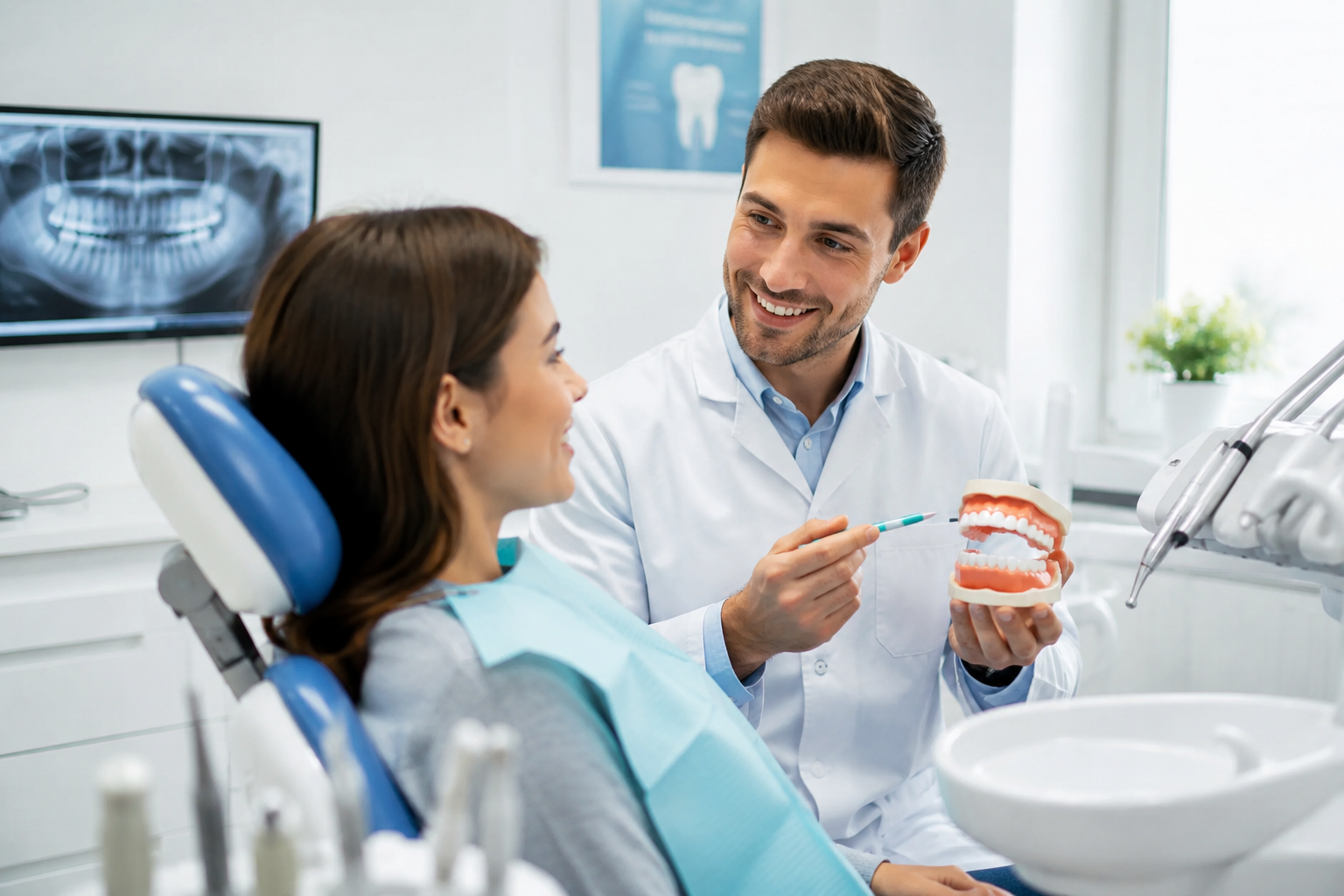
You will find affordable dental care in Phoenix by focusing on local community clinics, dental schools, and practices that offer sliding-scale fees or in-house payment plans. Start by checking community health centers and dental schools for low-cost cleanings, fillings, and routine care—these options often deliver professional treatment at a fraction of private-practice prices.
They can compare insurance options, discount plans, and clinic payment programs to match care to their budget and needs. Expect practical tips on what treatments are commonly affordable, how to reduce out-of-pocket costs, and when to seek emergency care so they can protect their smile without overspending.
Finding Local Dental Clinics in Phoenix
Local options include community clinics with income-based fees, university dental clinics where supervised students provide care at reduced cost, and nonprofit or charity programs offering free or low-cost services for eligible residents. Each option varies by eligibility, services offered, appointment wait times, and payment methods.
Community Dental Centers
Community dental centers in Phoenix typically offer sliding-scale fees based on household income and accept AHCCCS (Arizona Medicaid), Medicare Part B for limited services, and many take private insurance or offer payment plans. These centers focus on essential care: exams, cleanings, fillings, extractions, and basic emergency treatment.
Clinics such as Mountain Park Health Center and Community Dental Care (check current listings) often provide extended hours and multilingual staff. Patients should bring photo ID, proof of income, and insurance cards to streamline registration. Wait times for non-emergency visits can be longer; call ahead to confirm availability and whether the clinic charges a reduced fee for same-day urgent care.
Dental Schools and University Clinics
Arizona’s dental schools and university clinics provide care performed by dental students under licensed faculty supervision, offering lower fees for many procedures. Services range from preventive care and routine restorations to more complex treatments like root canals or prosthodontics, though some advanced services may have limited availability.
Appointments may take longer because students work in learning modules, but patients receive thorough explanations of treatment plans. Payment is usually cash, card, or low-cost clinic plans; some schools accept insurance. Check the current schedule and referral requirements—some university clinics require a preliminary screening or enrollment in a clinic program.
Nonprofit and Charity Dental Services
Nonprofit and charity dental programs in Phoenix target uninsured, underinsured, seniors, veterans, and low-income families with free or heavily discounted care. Organizations like St. Vincent de Paul Dental Clinic, dental mission events, and periodic charity clinics provide screenings, basic treatment, and sometimes full extractions or denture services during special events.
Eligibility often requires proof of residency and income, and services may be event-based with limited slots requiring early sign-up or registration via phone or online. These programs frequently partner with volunteer dentists and dental hygienists, so service offerings and schedules change; confirm current dates and what documentation to bring before attending.
Exploring Payment and Discount Plans
Many Phoenix residents balance cost and care by choosing flexible payment options, membership plans, or discount cards. Each option changes out‑of‑pocket costs, eligibility, and how quickly treatment can start.
Sliding Scale Fees
Sliding scale fees adjust charges based on income and household size, often used by community clinics and nonprofit dental centers in Phoenix. Patients typically provide proof of income — pay stubs, tax returns, or a benefits letter — and clinics place them in a fee tier that reduces costs for exams, cleanings, fillings, and simple extractions.
Availability varies by clinic and appointment demand. Some clinics reserve sliding scale slots for residents of specific zip codes or those without any dental insurance. Patients should call ahead to ask about required documents, whether phone prequalification is possible, and how quickly they can be seen.
Sliding scale rarely covers advanced treatments like implants or full-mouth restorations at steep discounts. Clinics may combine sliding scale pricing with payment plans or referrals for specialty care, so patients should get a written estimate and ask about follow‑up costs before scheduling.
Membership Plans
Membership plans (sometimes called in‑office dental plans) function like a mini‑insurance provided directly by a dental practice. For a yearly or monthly fee, patients receive routine care — two cleanings, two exams, and X‑rays — and discounts on restorative and emergency services.
These plans suit patients without traditional insurance or those whose benefits don’t cover preventive care. Enrollment often starts same day, eliminates deductibles, and offers predictable costs for common services. Terms vary: some practices waive enrollment fees for families or offer tiered plans for children and adults.
Patients should compare what each plan covers, blackout periods for major work, and whether specialists are included. Ask for a printed fee schedule showing discounted prices for crowns, root canals, and emergency visits to judge real savings.
Dental Discount Cards
Dental discount cards are subscription-based programs that give immediate percentage discounts on most procedures at participating Phoenix dentists. Members pay an annual fee and present the card at booking to receive the reduced rate listed by each provider.
These cards work best when the member can choose from a wide network of local providers who post clear, up‑front fees. Savings often range from 10% to 60%, depending on the service and dentist. They do not have waiting periods and usually cover preventive, restorative, and cosmetic work.
Check for hidden limits: some cards exclude specialist referrals, limit discounts on lab‑dependent treatments, or require preauthorization. Compare member price lists, read patient reviews of participating practices, and verify whether the dentist will bill the card program directly or require payment at the visit.
Insurance Solutions for Cost-Effective Care
Patients in Phoenix can lower out-of-pocket costs by choosing the right plan and using state programs that cover preventive and basic restorative care. Key actions include comparing annual maximums, network restrictions, waiting periods, and checking eligibility for Arizona’s Medicaid expansions.
Affordable Dental Insurance Policies
Many local carriers offer low-premium PPO and DHMO plans suited for routine care. PPO plans let patients see out-of-network dentists but charge higher co-pays and deductibles; DHMO plans require network dentists but usually have no deductibles and lower co-pays for cleanings, exams, and basic fillings.
Look for plans with at least a $1,000–$1,500 annual maximum and clear coverage for X-rays and scaling to avoid surprise bills. Confirm waiting periods for major work—crowns and root canals often carry 6–12 month waits—or choose plans that waive waits for preventive care. Employers often subsidize group plans; individuals can compare marketplace options during open enrollment or use brokers who specialize in Arizona dental coverage.
Medicaid and State Programs
Arizona’s AHCCCS (Medicaid) provides comprehensive dental benefits for children through the Early and Periodic Screening, Diagnostic and Treatment (EPSDT) benefit. Children under 21 typically receive preventive, diagnostic, and restorative services with no cost-sharing, making routine care accessible.
For adults, AHCCCS covers emergency and limited restorative services depending on the plan and eligibility category. Pregnant women on Medicaid receive expanded dental benefits in many cases. Residents should verify eligibility, covered procedures, and participating providers via the AHCCCS website or by calling member services to avoid unexpected denials. Local community health centers in Phoenix often accept AHCCCS and can help schedule appointments and explain covered services.
Common Affordable Treatments and Preventive Care
This section highlights practical, cost-effective services that keep mouths healthy and avoid costly problems later. It focuses on routine care, simple restorations, and topical treatments that provide high value for the dollars spent.
Routine Cleanings and Exams
Routine cleanings (prophylaxis) and dental exams are the backbone of affordable care. Most Phoenix clinics offer a basic cleaning and exam for discounted prices at community clinics, dental schools, and safety-net practices. Regular cleanings remove plaque and tartar that cause gum disease; exams detect cavities, infections, and early signs of oral cancer. Typical intervals are every six months, but dentists may recommend three- or four-month visits for patients with active gum disease or high decay risk.
Cost-saving options include group practice membership plans, sliding-fee scales based on income, and preventive-only visits at federally qualified health centers (FQHCs). Many clinics bundle cleaning, exam, and X-rays into a single low-cost visit. Patients should bring prior X-rays when possible to avoid duplicate imaging and ask about payment plans or reduced-fee programs before scheduling.
Low-Cost Fillings and Sealants
Low-cost fillings restore teeth after cavities and prevent pain or infection. Clinics in Phoenix commonly use durable, tooth-colored composite materials for esthetic and functional results at reduced rates through charitable clinics and dental school clinics. Silver amalgam remains an economical option for posterior teeth where aesthetics are less critical and may be offered at lower prices.
Sealants provide a preventive barrier on molars and premolars to stop decay before it starts. Many community programs and pediatric clinics offer sealants at steep discounts or free for qualifying children and adults with high cavity risk. When considering low-cost restorative options, patients should ask about material warranties, expected lifespan (composite typically 5–10 years), and whether repairs are covered under any clinic program.
Fluoride Treatments
Fluoride treatments strengthen enamel to resist decay and can reverse early enamel lesions. Offices apply concentrated fluoride varnish or gel in a brief in-chair procedure that lasts a few minutes. High-fluoride varnish is particularly beneficial for patients with dry mouth, frequent snacking, or a history of multiple cavities.
Affordable fluoride options include community health events, school-based programs, and bundled preventive visits at community clinics. Dentists may also prescribe at-home fluoride toothpaste or mouth rinses at reduced cost. Patients should disclose fluoride exposure from water or toothpaste to avoid overuse and follow the dentist’s frequency recommendations—often two applications per year for average-risk patients, more for high-risk individuals.
Tips for Reducing Out-of-Pocket Expenses
Patients can lower costs by shopping quotes, timing procedures around insurance benefits and clinic promotions, and using payment options like sliding scales or in-house financing. Small changes — such as scheduling cleanings before deductible resets or combining treatments — often cut expenses noticeably.
Comparing Treatment Quotes
Ask at least three Phoenix practices for written estimates that itemize fees: exam, X-rays, anesthesia, materials, and follow-up visits. Compare like-for-like — for example, one crown quote may use zirconia while another lists a PFM; check material costs and lab fees.
Request pre-treatment photos and a procedure plan so differences in scope become clear. Confirm whether estimates include emergency visits, temporary restorations, or adjustments; omitted items can raise final bills.
Use a simple comparison table to track quotes:
- Provider name
- Procedure code (e.g., D2740 for crown)
- Material listed
- Itemized costs
- Payment discounts or membership plans
Look for bundled savings from dental schools, community clinics, and federally qualified health centers in Phoenix. Verify credentials and warranty terms before choosing the lowest price.
Timing Procedures Strategically
Review insurance benefits calendar: schedule major work after deductibles are met but before annual maximums reset. If a patient has a $1,500 annual max and $500 deductible, completing a $1,800 procedure late in the year may maximize benefit use.
Plan predictable care around employer health changes. If a job change brings new dental coverage, delay elective treatments until coverage starts. Conversely, accelerate time-sensitive work if losing coverage soon.
Combine procedures in one visit when clinically appropriate to reduce multiple copays and travel costs. Ask clinics about end-of-year promotions, reduced-fee weekday slots, or cash discounts for bundled treatment plans.
Making Dental Visits Comfortable and Stress-Free
Many Phoenix clinics prioritize a calm, welcoming environment to reduce anxiety before appointments. Staff greet patients warmly and explain each step, so they know what to expect.
Practices often offer noise-canceling headphones, blankets, and soothing music to help patients relax during treatment. These small comforts make a big difference for people who feel nervous.
Clinics use clear, plain-language explanations of procedures and costs to remove surprises. They encourage questions and provide visual aids, like diagrams or models, so patients understand options and outcomes.
For those with dental fear, options such as nitrous oxide (laughing gas), oral sedation, or IV sedation are available depending on the procedure and medical history. Dentists review risks and benefits and coordinate with a patient’s physician when needed.
Pediatric and special-needs teams employ distraction techniques, gentle language, and extra time to build trust with children and anxious adults. They also offer gradual exposure plans — starting with a short checkup and progressing as comfort grows.
Patients can request appointment times that minimize wait and stress, such as first-morning slots. Many practices accept payment plans or financing to ease financial worries that often heighten anxiety.
Encourage scheduling a consult to discuss comfort preferences and sedation options. That simple conversation can transform a tense visit into a manageable, even positive, experience.
When and How to Seek Emergency Dental Help
They should seek emergency dental care for severe pain that won’t subside with over-the-counter medicine, uncontrolled bleeding, a knocked-out tooth, or a tooth broken down to the root. These situations need prompt attention to preserve teeth and prevent infection.
If swelling affects breathing or swallowing, they must go to the nearest emergency room immediately. For severe but non-life-threatening dental emergencies, contacting a local emergency dentist or urgent-care dental clinic in Phoenix is the next step.
They can try simple first-aid while arranging care: rinse gently with warm water, apply a cold pack to reduce swelling, and use gauze to control bleeding. For a knocked-out tooth, hold it by the crown, rinse debris with water, and try to place it back into the socket or store it in milk or saline while traveling to the dentist.
Use this checklist to decide next steps:
- Severe pain not relieved by OTC meds → emergency dental visit
- Continuous bleeding after injury → urgent care or ER
- Knocked-out tooth → reimplant immediately if possible; get to dentist within an hour
- Signs of spreading infection (fever, facial swelling) → urgent treatment
They should call their regular dentist first if possible; many Phoenix clinics keep emergency slots or provide same-day care. If affordability is a concern, ask the clinic about sliding-scale fees, payment plans, or local dental schools that offer lower-cost emergency services.
Encourage the patient to keep an updated emergency contact list and dental insurance or assistance program information handy. A quick call can often reduce anxiety and speed access to the right care.
Next Steps Toward a Healthy, Affordable Smile
They should start by scheduling a checkup to get an accurate picture of dental needs and costs. A short exam and X-rays help prioritize care and avoid unexpected expenses.
They can explore local low-cost clinics and dental schools for reduced fees. Many clinics offer sliding-scale payments; dental schools provide supervised care at a fraction of private-practice prices.
They should ask about payment plans, financing, and in-house membership plans. These options often break larger bills into manageable monthly payments.
They should confirm which treatments are preventive versus elective to make informed choices. Preventive care like cleanings and sealants usually costs less long term than restorative procedures.
They should gather insurance and income documentation before appointments to speed eligibility checks. Bringing records helps staff give clear cost estimates and apply any available discounts.
Quick checklist:
- Call clinics to compare fees and services.
- Ask about sliding scale, payment plans, and urgent-care options.
- Bring ID, insurance cards, and recent dental records.
They should expect friendly staff to explain options and answer questions. Encourage them to ask for written estimates and a simple treatment timeline.
They should contact a trusted local provider to discuss affordability and next steps. A brief call can clarify costs and set a comfortable path forward.
Frequently Asked Questions
This section answers specific, practical questions about low-cost dental care in Phoenix, including where to go, how to qualify for assistance, and daily habits to avoid costly treatments later.
Where can I find low-cost or free dental clinics in the Phoenix area?
Maricopa County and local nonprofits operate several low-cost clinics, including Mountain Park Health Center, Native Health, and Sun Life Family Health Center. They offer reduced-fee services based on income and may provide basic restorative care, cleanings, and extractions.
Central Arizona Shelter Services (CASS) and St. Vincent de Paul coordinate occasional dental programs for people experiencing homelessness. Call ahead; many locations require appointments and proof of income or residency.
What options are available for adults who need dental care but don’t have insurance?
Adults can use community health centers that charge on a sliding scale tied to household income. Federally Qualified Health Centers (FQHCs) often provide preventive care and limited restorative services at lower cost.
Dental discount plans and CareCredit-type medical credit lines spread payments but check interest rates and terms. Some private practices offer in-office financing or short-term payment plans for large procedures.
How can I find upcoming free dental events or clinic days near Phoenix?
Watch county public health announcements and follow nonprofit calendars like those from St. Mary’s Food Bank or local rotary clubs. Social media pages and Eventbrite often list free dental clinics, school-based events, and mobile clinic stops.
Call 2-1-1 or visit Arizona’s community health networks to ask about upcoming events; they can register you or place you on waitlists for high-demand free clinics.
Are dental schools or training clinics in Arizona a safe, budget-friendly way to get treatment?
Yes. A.T. Still University’s Arizona School of Dentistry & Oral Health and Midwestern University offer supervised student clinics that lower costs for cleanings, fillings, and crowns. Licensed faculty oversee all work and follow standard clinical protocols.
Expect longer appointments and phased treatment over multiple visits. Students provide competent care, often using the latest techniques, with clear consent and faculty supervision.
What payment plans, sliding-scale fees, or financial assistance programs can help cover major dental work?
Community health centers and FQHCs use sliding-scale fees based on federal poverty guidelines; this can cut costs for major procedures. Nonprofit programs and dental charities like Dentistry From The Heart sometimes cover full or partial costs for specific cases.
CareCredit and other medical financing companies offer 6–24 month interest-free options if paid within the promotional period. Always get cost estimates in writing and compare total repayment amounts before committing.
What are a few simple daily habits that can help prevent expensive dental problems down the road?
Brush twice daily with fluoride toothpaste for two minutes and floss once a day to remove plaque between teeth. These habits significantly reduce cavities and gum disease, which cause most costly dental procedures.
Limit sugary drinks and snack frequency; sip water after acidic or sugary foods and consider chewing sugar-free gum with xylitol. Visit a dentist at least annually for exams and cleanings to catch small issues before they become major procedures.
If they have questions or want help finding local providers, encourage them to contact a trusted dental office or the listed community resources for personalized guidance.