 (602) 894-9450
 appointments@westiwndih.com
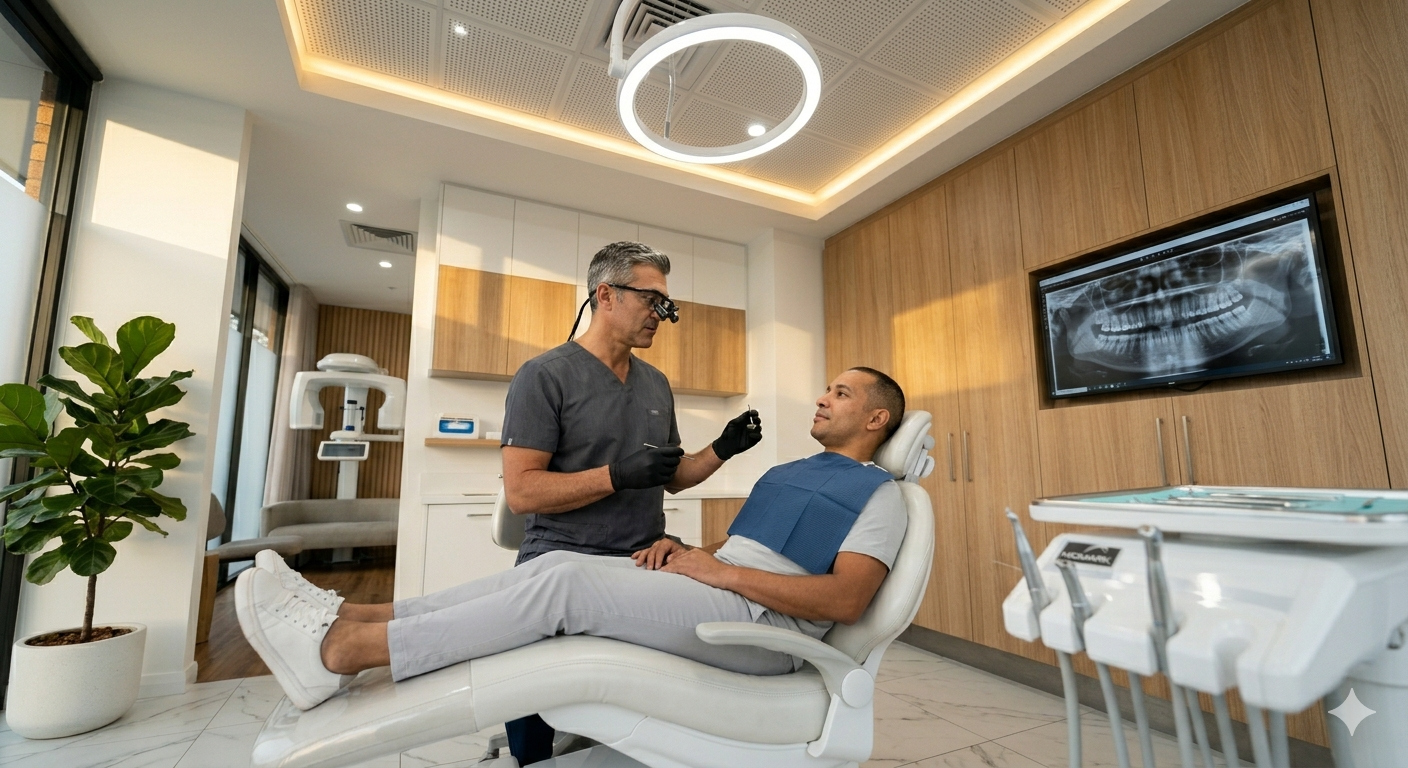
Dental emergencies can happen unexpectedly and can cause significant pain or discomfort. Knowing where to find an emergency dentist in Phoenix, AZ, is essential for quick relief and proper care. An emergency dentist in Phoenix provides timely treatment for issues like severe toothaches, broken teeth, and lost fillings, helping patients avoid further complications.
Many dental offices in Phoenix offer same-day appointments or after-hours services to address urgent needs. They use modern techniques to ensure both effective treatment and patient comfort, easing anxiety during stressful moments.
If a dental emergency arises, it’s important to act quickly but calmly. Seeking professional help early can prevent more serious problems and get patients back to their normal routine faster.
What Qualifies as a Dental Emergency?
Dental emergencies involve situations that require prompt care to relieve pain, prevent infection, or save a tooth. Knowing which issues need immediate attention can help patients avoid complications and unnecessary discomfort.
Common Dental Emergencies
Some dental problems demand urgent care because they cause severe pain, bleeding, or risk permanent damage. These include:
- Knocked-out teeth (avulsed teeth) where quick action can save the tooth.
- Severe toothache signaling infection or deep decay.
- Broken or cracked teeth exposing nerves or causing sharp pain.
- Lost fillings or crowns especially when causing pain or sensitivity.
- Abscesses which are infections around the tooth root causing swelling and fever.
Each condition requires different treatment but all benefit from timely evaluation to reduce risk and improve outcomes.
Recognizing Urgent Symptoms
Certain signs indicate that a dental issue needs fast care. Patients should watch for:
- Intense, persistent pain that doesn’t ease with over-the-counter medication.
- Uncontrolled bleeding from the mouth or gums lasting more than 10-15 minutes.
- Swelling that extends to the face or neck.
- Fever or chills combined with dental pain.
- Difficulty breathing or swallowing after a dental injury.
Noticing these symptoms early can guide patients to seek the right care before problems worsen.
When to Seek Immediate Help
Emergency dental visits are necessary when pain, injury, or infection cannot wait for a regular appointment. Situations requiring immediate attention include:
- Trauma causing a tooth to be completely knocked out or severely fractured.
- Unbearable pain that disrupts daily life or sleep.
- Rapidly spreading swelling around the jaw, face, or neck.
- Signs of infection like pus drainage or fever above 101°F.
Contacting an emergency dentist quickly ensures effective treatment to minimize damage and protect oral health.
Immediate Steps to Take During a Dental Crisis
In a dental crisis, quick and calm action can prevent further damage and reduce pain. Knowing what to do right away often makes it easier to get through the emergency before seeing a dentist.
Handling Toothaches at Home
When a toothache strikes, the first step is to rinse the mouth gently with warm water to clean the area. Avoid very hot or cold drinks, as they can worsen sensitivity. Over-the-counter pain relievers like ibuprofen can help ease discomfort but should be taken according to the label instructions.
Applying a cold compress to the outside of the cheek can reduce swelling and numb pain. Avoid putting aspirin or other painkillers directly on the gums or tooth, as this can irritate tissue. If swelling, fever, or severe pain occurs, it’s important to seek dental care promptly.
Managing Broken or Knocked-Out Teeth
If a tooth breaks, rinse the mouth with warm water to clear debris. Save any large tooth fragments and bring them to the dentist. For a tooth that has been knocked out, hold it by the crown (the chewing surface) and rinse gently with water if dirty.
Try to reinsert the tooth into its socket if possible. If not, store it in milk or a tooth preservation kit, not water, to keep it moist. Prompt action within 30 minutes can improve the chances of saving the tooth.
Protecting Your Mouth Until Treatment
Until professional care is available, protecting the injured area is crucial. Use dental wax or sugarless gum to cover sharp edges of broken teeth or dental appliances to prevent cuts to the tongue or cheek. Avoid chewing on the injured side to reduce pain.
Soft foods and lukewarm liquids can help prevent further irritation. Maintaining good oral hygiene is still important—brush gently around the affected area and avoid any aggressive rinsing. This will keep the mouth cleaner and reduce infection risks while waiting for emergency dental treatment.
How Emergency Dental Care Works in Phoenix
Emergency dental care in Phoenix is designed to be accessible and responsive, especially when unexpected pain or injury occurs. Clinics offer flexible hours, collaborate closely with local hospitals, and use a clear triage system to prioritize patients based on the urgency of their dental issues.
After-Hours and Weekend Availability
Dental emergencies rarely stick to regular office hours. Many Phoenix emergency dentists extend their services into evenings and weekends to accommodate urgent needs. Some clinics have dedicated hotlines for quicker access when the office is officially closed.
These after-hours options help patients avoid long waits and start treatment sooner. Walk-in availability varies by location, but many emergency dental offices encourage calling ahead to ensure a smooth visit. Technology like online appointment booking also assists in managing demand outside typical business hours.
Coordination with Local Hospitals
In serious cases, such as major facial trauma or severe infections, emergency dentists in Phoenix work closely with local hospitals. This partnership ensures that patients receive comprehensive care, whether it’s dental treatment or additional medical intervention.
Hospitals and dental offices share patient information and treatment plans efficiently, reducing delays in critical situations. Dentists may refer patients directly to hospital emergency rooms if they detect signs needing immediate broader medical attention, such as airway obstruction or uncontrolled bleeding.
Patient Entry and Triage Process
When a patient arrives at an emergency dental clinic in Phoenix, the first priority is a quick and thorough assessment. The triage process identifies how severe the problem is to determine the order of treatment.
Staff will ask about symptoms, injury details, and any existing health issues. This helps dentists decide if immediate intervention is needed or if other care can wait. Comfort measures, like pain management and sedation options, are often discussed early to ease anxiety while preparing for treatment.
Modern Treatment Options for Dental Emergencies
Emergency dental care in Phoenix offers multiple approaches to quickly relieve pain, restore damaged teeth, and diagnose issues accurately. Patients can expect treatments that prioritize comfort and efficiency while using the latest technology to ensure the best outcomes.
Pain Relief Solutions
Pain is often the most urgent concern during a dental emergency. Dentists use targeted local anesthesia to numb the area immediately, reducing discomfort during treatment. For swelling and inflammation, anti-inflammatory medications like ibuprofen are commonly recommended.
In some cases, prescription painkillers are provided but only for short-term use to avoid dependence. Over-the-counter topical gels containing benzocaine can temporarily ease pain for minor injuries. The goal is to manage pain quickly so further treatments can proceed comfortably.
Same-Day Restorations
Modern dental offices in Phoenix offer same-day solutions for damaged or broken teeth. Using advanced materials like tooth-colored composites and ceramic crowns, dentists can repair chipped teeth or replace lost fillings in a single visit.
CAD/CAM technology allows precise shaping and fitting of restorations on-site, eliminating the need for multiple appointments. This not only saves time but also reduces anxiety for patients needing urgent repairs after accidents or infection-related damage. Such restorations are designed to be durable and match the natural tooth color.
Digital Diagnostics and Imaging
Digital X-rays and 3D imaging tools give dentists a detailed view inside the mouth instantly. These technologies help identify root fractures, abscesses, or bone damage that might not be visible during a basic exam.
Since digital images expose patients to less radiation than traditional film and produce faster results, they speed up diagnosis. Early detection through these tools allows for timely intervention, preventing small issues from becoming major emergencies. Many Phoenix emergency dentists have these capabilities for accurate assessments during urgent visits.
Patient Comfort and Safety During Emergency Visits
Emergency dental care focuses on making sure patients feel as comfortable and safe as possible. From managing pain to preventing infection, every step is designed to reduce stress and protect health during urgent treatment.
Gentle Anesthesia Techniques
Emergency procedures often require anesthesia to ease pain quickly. Dentists in Phoenix use carefully dosed local anesthetics that numb only the affected area, allowing patients to stay awake but pain-free.
For those anxious about needles, some offices offer topical gels that numb the injection site before the shot. This reduces discomfort and helps nervous patients feel more relaxed.
Sedation options like nitrous oxide may also be available to calm severe anxiety. This “laughing gas” wears off fast and lets patients remain responsive while alleviating fear.
Infection Prevention Measures
Sterilization is critical in emergency dental care to avoid complications. Instruments go through strict cleaning protocols using high-temperature autoclaves that kill bacteria, viruses, and spores.
Staff wear gloves, masks, and eye protection during all procedures. Surfaces in treatment rooms are wiped down with medical-grade disinfectants between patients.
Dentists screen for signs of active infections and follow guidelines to prevent cross-contamination. These practices protect both patients and dental teams from potential risks.
Creating a Calming Environment
A welcoming atmosphere helps patients feel secure during emergency visits. Many Phoenix clinics use soft lighting, soothing background music, and comfortable seating to reduce stress.
Front desk staff greet patients warmly and provide clear information about wait times and treatment steps. Transparent communication eases anxiety.
Some offices offer blankets or stress-relief tools like stress balls. These small touches contribute to a calming experience when patients often feel overwhelmed.
Costs and Insurance for Urgent Dental Care
Emergency dental care costs in Phoenix can vary widely based on the treatment needed and the time of service. Patients should understand typical fee structures, insurance acceptance, and payment flexibility to avoid surprises during urgent visits.
Understanding Fee Structures
Urgent dental care often involves immediate procedures like tooth extractions, root canals, or repairs for broken teeth. Fees depend on the complexity and materials used. For example, a simple tooth extraction might cost between $150 and $300, while a root canal could range from $600 to $1,200.
Additional fees may include x-rays, anesthesia, or emergency service charges outside normal office hours. Some clinics apply a flat fee for emergency exams, usually around $50 to $100. It’s important to ask the dental office for a detailed estimate before treatment when possible.
Accepted Insurance Plans
Many emergency dentists in Phoenix accept popular dental insurance plans such as Delta Dental, Cigna, Aetna, and UnitedHealthcare. However, coverage levels for emergency treatments vary, and some services like extractions or root canals may require a higher patient co-pay.
Patients without insurance or with limited coverage can expect to pay out-of-pocket costs. It helps to call ahead to confirm which insurances the provider accepts and what portion of care might be covered. Some offices help submit claims to insurance on the patient’s behalf to simplify the process.
Flexible Payment Options
To ease financial strain, many emergency dental offices in Phoenix offer flexible payment plans. These might include interest-free financing for a set period or monthly installments through third-party lenders like CareCredit.
Some clinics provide discounted rates for uninsured patients or accept major credit cards to make payments manageable. Asking about payment options when scheduling an urgent appointment ensures patients know what to expect and can focus on their treatment without added stress.
How to Choose the Right Emergency Dental Provider
Finding an emergency dental provider requires more than just quick service. Patients should look for clear communication, reliable care, and easy access to treatment. These factors together ensure timely relief and a positive experience during a stressful situation.
Key Questions to Ask
When selecting an emergency dentist, it helps to ask specific questions upfront. Does the dentist offer same-day or after-hours appointments? Knowing this avoids delays during critical moments.
Patients should also inquire about accepted insurance plans and payment options. This helps prevent unexpected costs. Additionally, ask about the types of emergencies they handle—some dentists specialize more in trauma, others in infections or pain relief.
Understanding the dentist’s approach to pain management is important. Clear answers about sedation or anesthetic options can ease anxiety. If the dental practice has a 24/7 hotline or an answering service, it’s a good sign they prioritize emergency response.
Qualities of a Trustworthy Dentist
A trustworthy emergency dentist in Phoenix should combine skill with a calming presence. Look for dentists who explain procedures patiently and listen to concerns without rushing. This builds confidence in care.
Credentials matter too. Make sure the dentist is licensed, up-to-date on certifications, and has positive patient reviews. Specialists or dentists with training in trauma or oral surgery bring added expertise.
Patient comfort is key. Offices that maintain clean, welcoming spaces and use modern equipment show dedication to quality. The ability to provide quick diagnoses and effective treatment can make a big difference during emergencies.
Nearby Locations and Accessibility
Location plays a crucial role in emergency dental care. Choosing a dentist close to home or work reduces travel time and speeds up treatment. Accessibility is especially important for severe pain or injury.
Check if the dental office offers flexible hours, including evenings or weekends. Availability during holidays is also a plus. Reliable emergency dentists sometimes operate from multiple locations or partner with local urgent care centers.
Parking, public transit options, and barrier-free access are practical details that improve patient experience. Confirming these before an emergency arises saves unnecessary stress later.
Preventing Future Dental Emergencies
Taking proactive steps helps reduce the chances of painful or costly dental emergencies. Simple habits, protective measures, and regular professional care all play key roles in keeping teeth strong and healthy over time.
Daily Oral Care Tips
Consistent daily care is the first defense against problems that can lead to emergencies. Brushing teeth twice a day with fluoride toothpaste removes plaque and strengthens enamel. It’s important to brush gently but thoroughly, reaching all surfaces of the teeth.
Flossing once a day removes food particles and bacteria between teeth where a brush can’t reach. This prevents gum disease and decay from developing in hidden spots. Using an antiseptic mouthwash can also reduce bacteria and freshen breath.
Avoid chewing hard objects like ice or popcorn kernels, which can chip or crack teeth. Limiting sugary snacks and drinks reduces acid attacks that wear down enamel, lowering the risk of cavities turning into infections.
Protective Gear for Sports
Wearing a properly fitted mouthguard is crucial during contact sports or activities with a high risk of falls. Mouthguards cushion impacts, preventing fractures, knocked-out teeth, and soft tissue injuries.
There are custom mouthguards made by dentists, which offer the best fit and comfort, as well as less expensive boil-and-bite versions available at stores. Regardless of type, they should be worn every time during sports.
Parents should ensure children’s mouthguards fit well and are replaced as the child grows. Helmets and face shields contribute extra safety but do not replace the need for a mouthguard.
Regular Checkups and Cleanings
Scheduling dental visits every six months allows early detection of issues that could become emergencies. During checkups, dentists examine teeth and gums, checking for cracks, decay, or signs of infection.
Professional cleanings remove calculus buildup that brushing can’t manage, reducing gum inflammation and tooth sensitivity. X-rays may reveal hidden problems below the gumline before they worsen.
Addressing small cavities, loose fillings, or gum disease early prevents sudden pain or tooth loss. Patients should share any changes in bite or discomfort with their dentist promptly to catch problems in time.
Next Steps After Emergency Dental Treatment
After receiving emergency dental care in Phoenix, the patient should focus on following the dentist’s instructions carefully. This often includes taking prescribed medications on time and avoiding certain foods that might irritate the treated area.
Maintaining good oral hygiene is key to healing. Gentle brushing and rinsing with a saltwater solution can help keep the mouth clean without causing pain. Patients should avoid vigorous rinsing or touching the affected area unnecessarily.
Scheduling a follow-up appointment is important. This visit allows the dentist to check on healing and plan any additional treatments, like fillings or crowns, if needed. Sometimes, a temporary fix is applied during emergencies, so permanent solutions might be scheduled later.
Here’s a simple checklist for patients after emergency care:
| Task | Reason |
|---|---|
| Take all medications | Prevent pain and infection |
| Avoid hard or sticky foods | Protect treated areas |
| Follow oral hygiene tips | Promote healing |
| Schedule follow-up visit | Ensure complete recovery |
If pain or swelling worsens, patients should contact their emergency dentist immediately. Open communication makes recovery smoother and reduces anxiety.
Encourage patients to ask questions about care or concerns during their follow-up. Understanding each step empowers them to maintain their dental health confidently.
Frequently Asked Questions
Knowing when to seek immediate attention and where to find help can make a big difference during a dental emergency. Quick action and understanding your options can save pain and prevent further damage.
How can I tell if my tooth pain is a true emergency or something that can wait until tomorrow?
Severe, persistent pain that won’t improve with over-the-counter painkillers often signals an emergency. If the pain comes with swelling, fever, or difficulty breathing or swallowing, it’s urgent.
Mild discomfort or sensitivity without swelling can usually wait for a regular dental appointment.
Where can I find a dental office that’s open late at night or on the weekend for urgent care?
Many Phoenix dental clinics offer extended hours or emergency walk-in services. Checking online directories or calling local dentists early can help locate offices open after hours or weekends.
Urgent care centers linked to dental practices sometimes provide faster relief when you can’t wait.
What should I do right away if I crack a tooth or lose a filling before I can get seen?
Rinse your mouth with warm water to clean the area. Use dental wax or sugar-free gum to cover sharp edges or protect the exposed tooth.
Avoid chewing on the damaged side until you see a dentist to prevent further injury.
What are my options if I need urgent dental care but don’t have dental insurance?
Many emergency dentists offer payment plans or sliding-scale fees. Some community health centers provide affordable care based on income.
It’s helpful to call ahead, explain your situation, and ask about financial assistance options.
Do any emergency dental offices accept AHCCCS, and what should I bring to my visit?
Yes, some emergency dentists in Phoenix accept AHCCCS. Bringing your AHCCCS card, photo ID, and any relevant medical records will speed up the check-in process.
Confirm coverage details with the office before your appointment to avoid surprises.
Should I go to urgent care or the ER for a tooth infection or facial swelling, and what will they do there?
If facial swelling or infection causes difficulty breathing, swallowing, or severe pain, the ER is the safest choice. They can manage emergencies by prescribing antibiotics or controlling pain.
For milder infections, urgent care clinics can provide antibiotics but usually won’t perform dental procedures. Follow up with a dentist quickly for definitive treatment.